International ICDP programme

ICDP courses for parents, educators and professionals in Tashkent

Learn to understand your child and communicate without shouting.

Learn eight communication principles that help you build trust and connect with children.

  • Since 1992
  • 71 countries
  • In Uzbekistan
A father holding his smiling baby
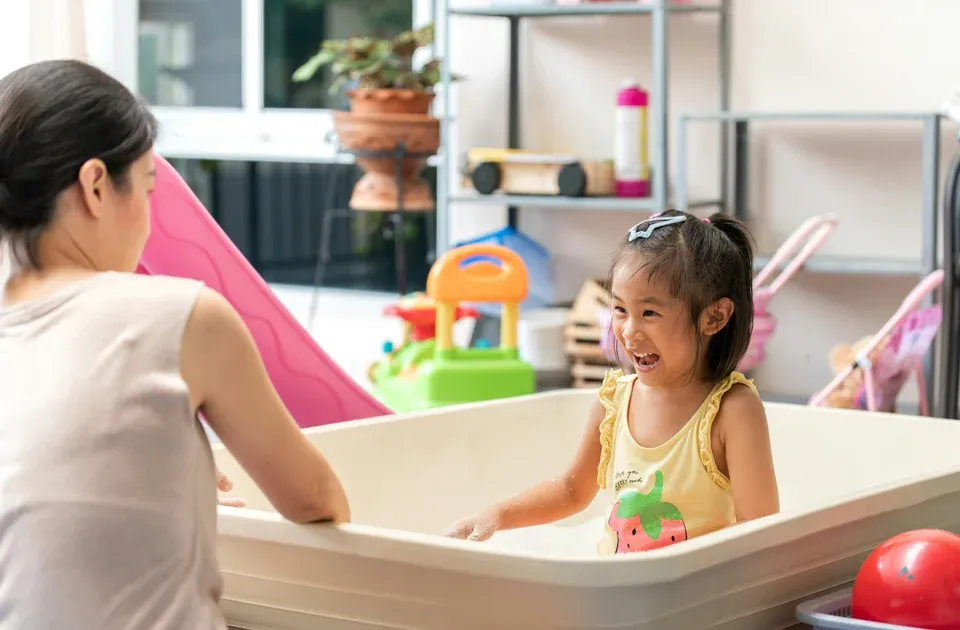
A mother playing with her daughter
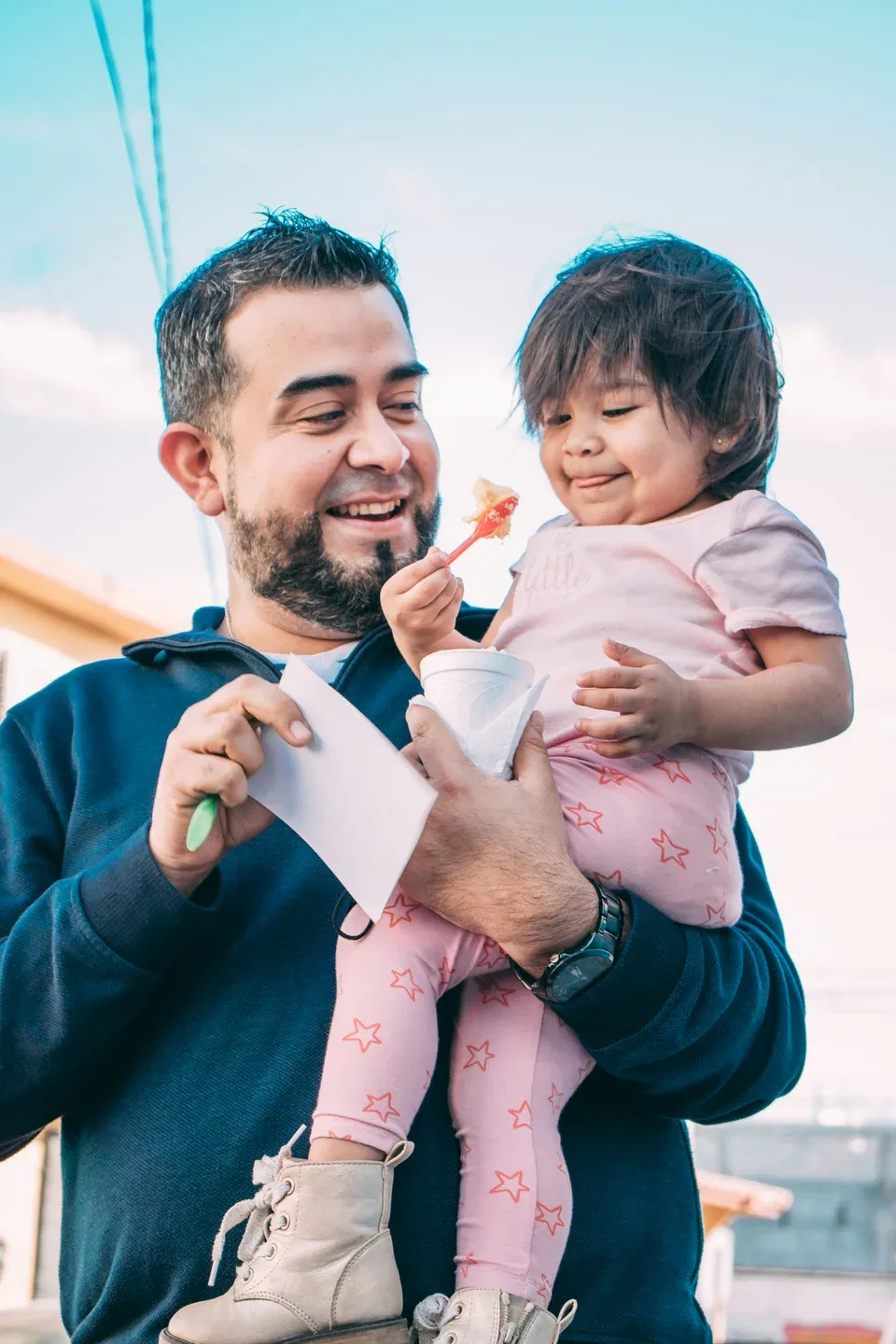
A father and daughter sharing a meal
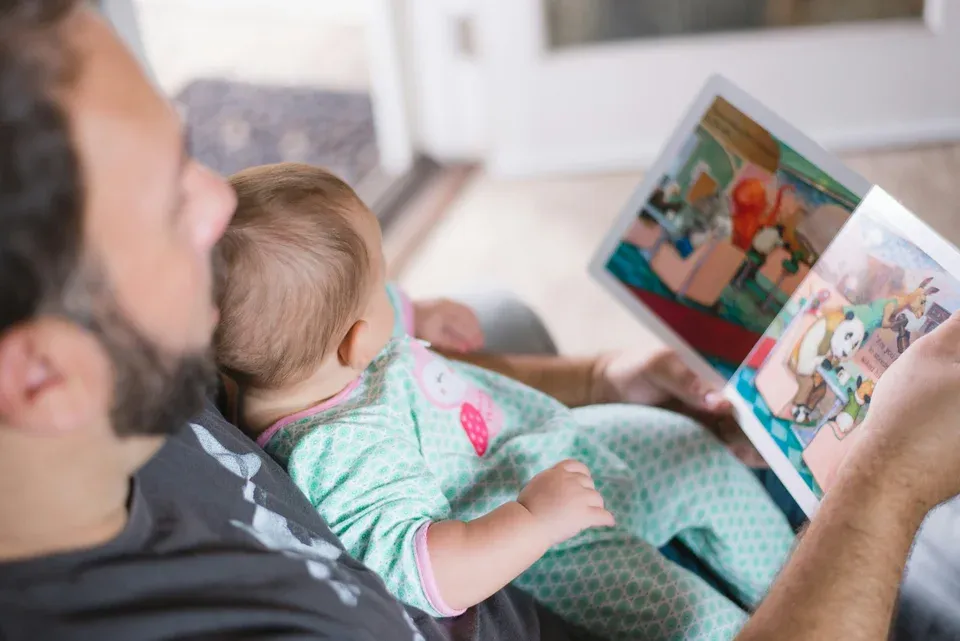
A parent reading with a child

Familiar situations

Does this feel familiar?

Life with a child often brings joy, but it can also be challenging. Many parents and educators face situations like these:

  • Frequent conflicts

    It is hard to agree: there are many arguments and moments of stubbornness.

  • Self-doubt

    You are not always sure how to respond and offer support.

  • Worry about your child

    You notice that your child is sad, anxious or unsure of themselves.

  • Not enough time

    You want to be closer, play and talk more, but daily life makes this difficult.

More familiar situations
  • Your child withdraws

    They keep to themselves and share less about their feelings and worries.

  • Little interest in new things

    It is hard to spark interest, try something new and support initiative.

  • Boundaries without conflict

    You want to set boundaries calmly, without arguments or tension.

Practical outcomes

What you will learn

  • Understand your child

    recognise their feelings and needs more clearly and see the good in them.

  • Communicate warmly

    speak and listen in ways that help your child feel supported.

  • Respond more calmly

    stay connected even in difficult, emotional situations.

  • Support development

    notice your child's efforts and encourage independence and initiative.

  • Build trust

    build warm, respectful and close relationships.

  • Set boundaries

    guide behaviour gently and confidently, without shouting or power struggles.

  • Use it in daily life

    use simple, clear tools at home, in kindergarten and at school.

ICDP training

Two paths. Your choice.

For you and your child — or to teach others.

Practical training · Tashkent

01 · Caregiver Course

Course for parents and professionals

Understand your child better and nurture warm relationships.

For you if you

  • Interact with children at home or at work
  • Want to use ICDP principles in daily life

Format: Group discussions, reflection, practical exercises and sharing experiences.

02 · Facilitator Training

ICDP facilitator training

Learn to lead groups and support participants.

For you if you

  • Work with children, families and groups
  • Want to deliver ICDP courses for others

Format: Seminars, practice, supervision and reflection.

How learning works

More than theory — practice in everyday life.

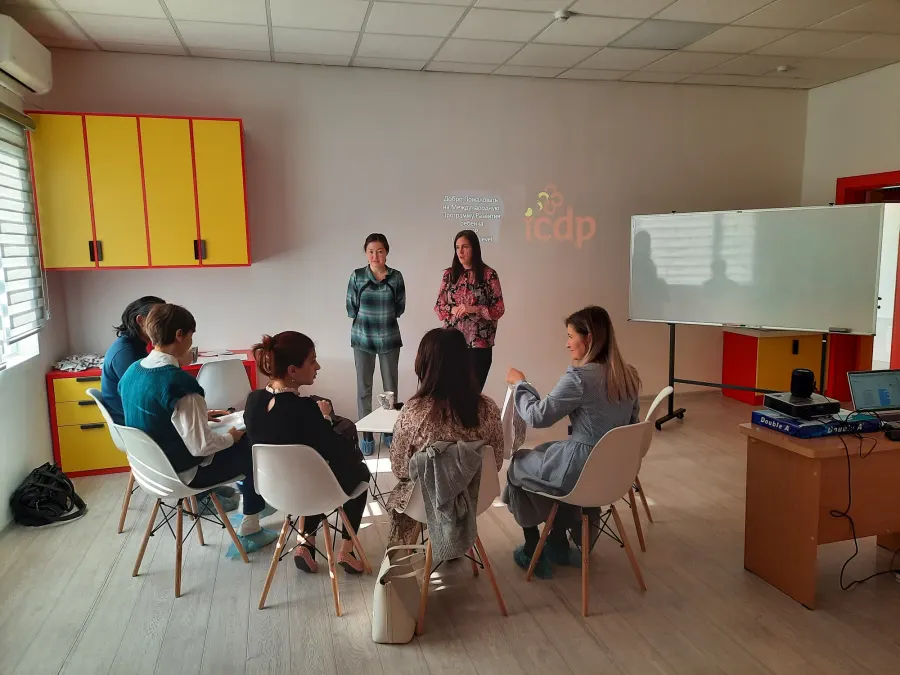
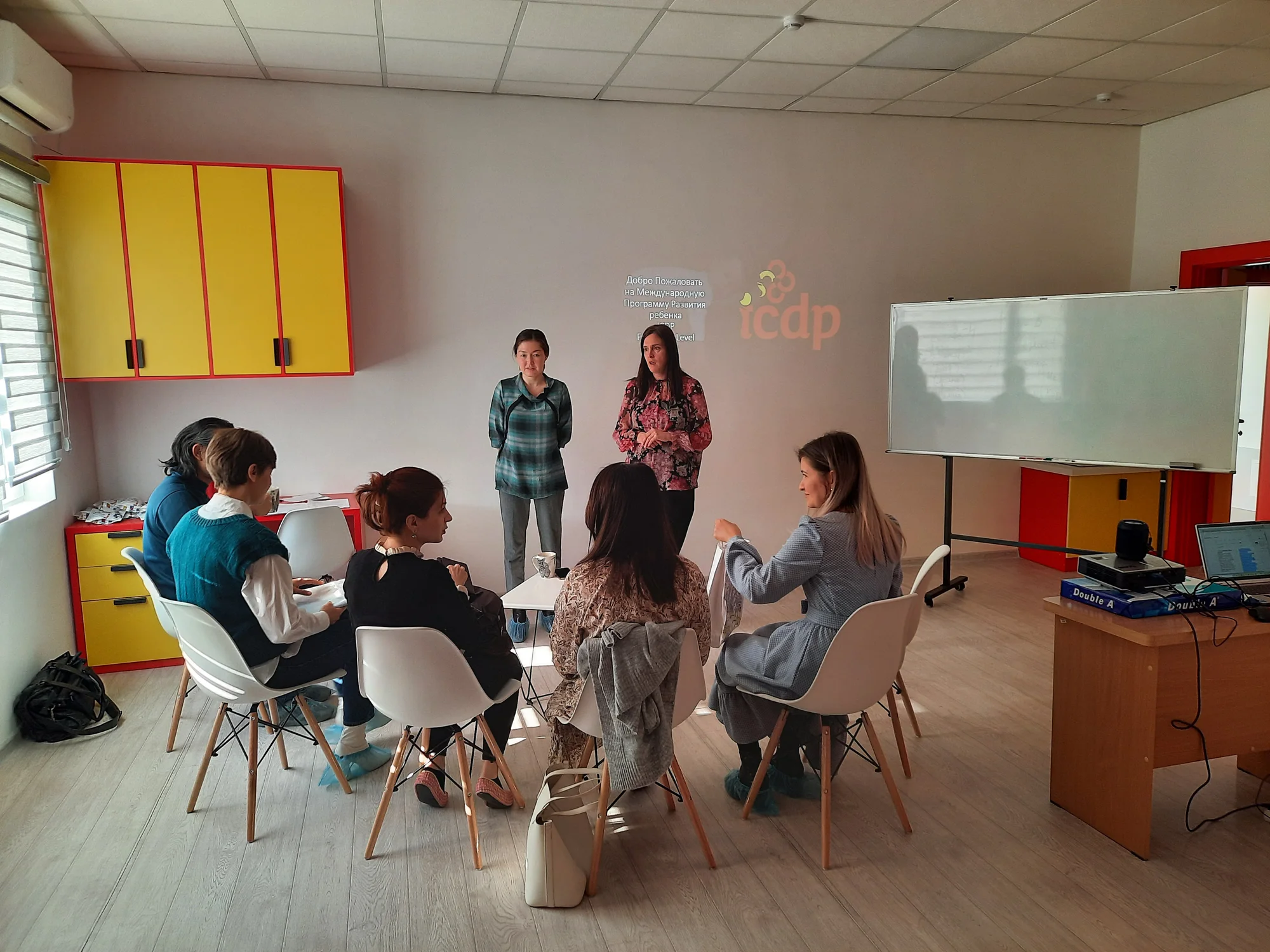
  1. Discuss

    Explore real situations from life and work.

  2. Learn

    Discover ICDP principles and learn how to put them into practice.

  3. Try

    Use new approaches between sessions.

  4. Share experiences

    Discuss your observations and results with the group.

About ICDP

What is ICDP?

ICDP is an international practical programme that helps adults build warm, supportive relationships with children. The approach is informed by research and used in families, education, healthcare and social services.

  • Informed by research
  • Useful in life and work
  • Helps strengthen relationships
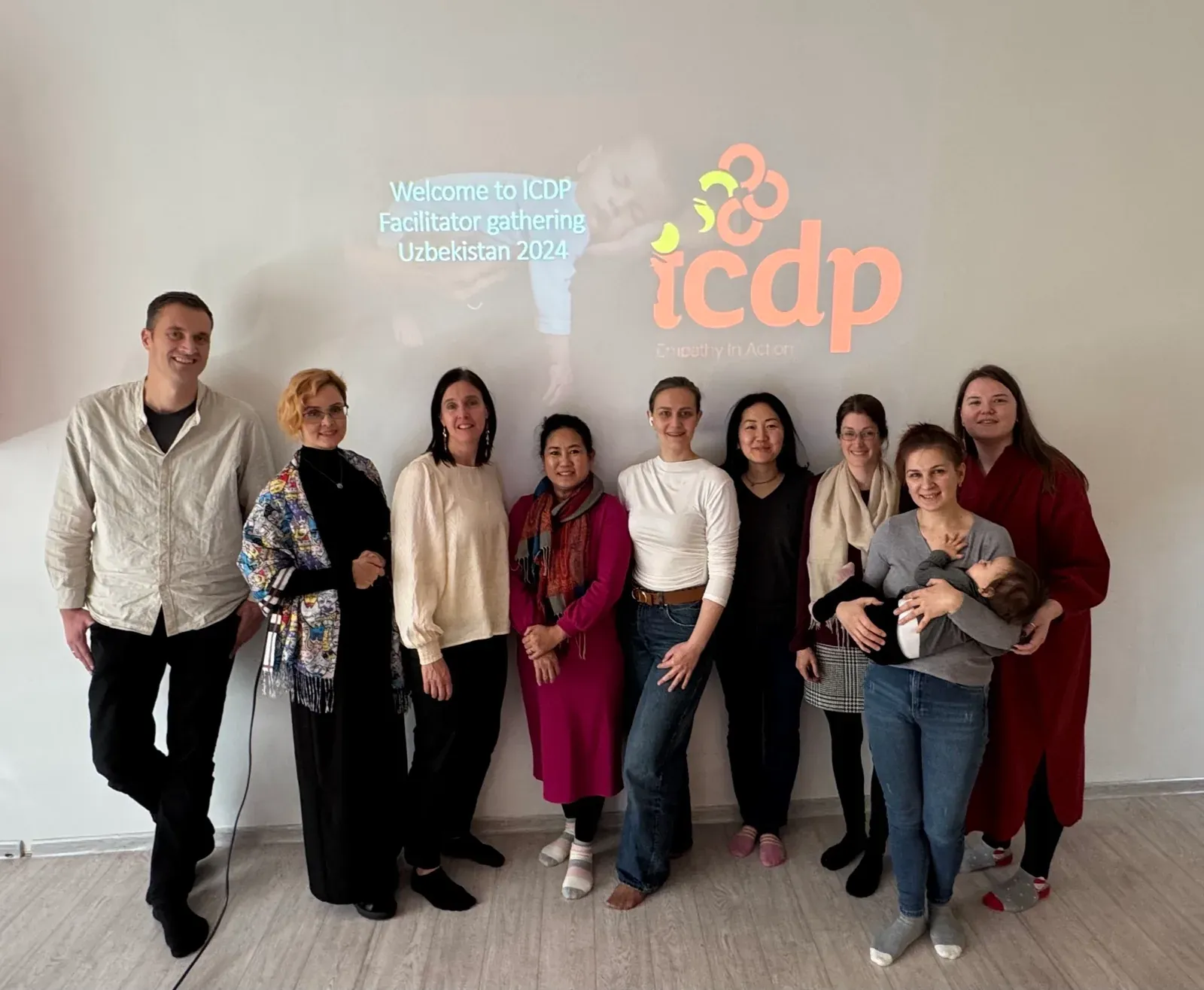
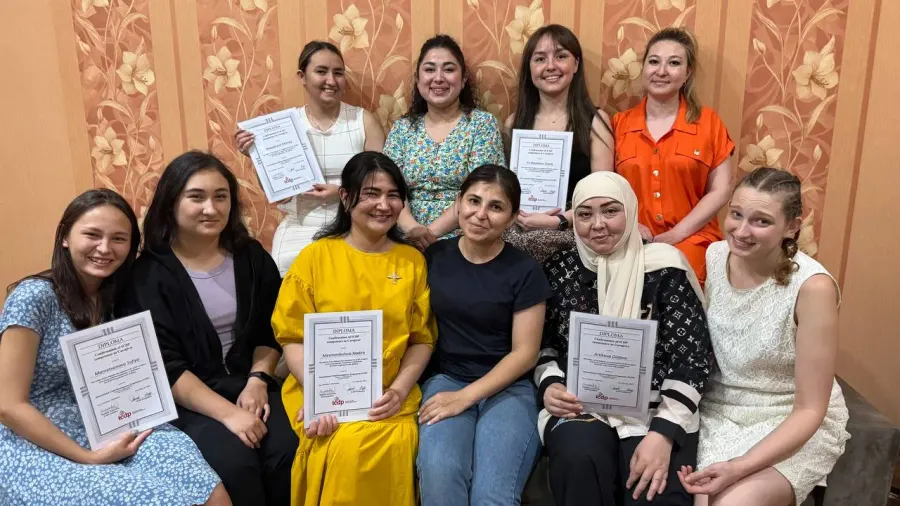
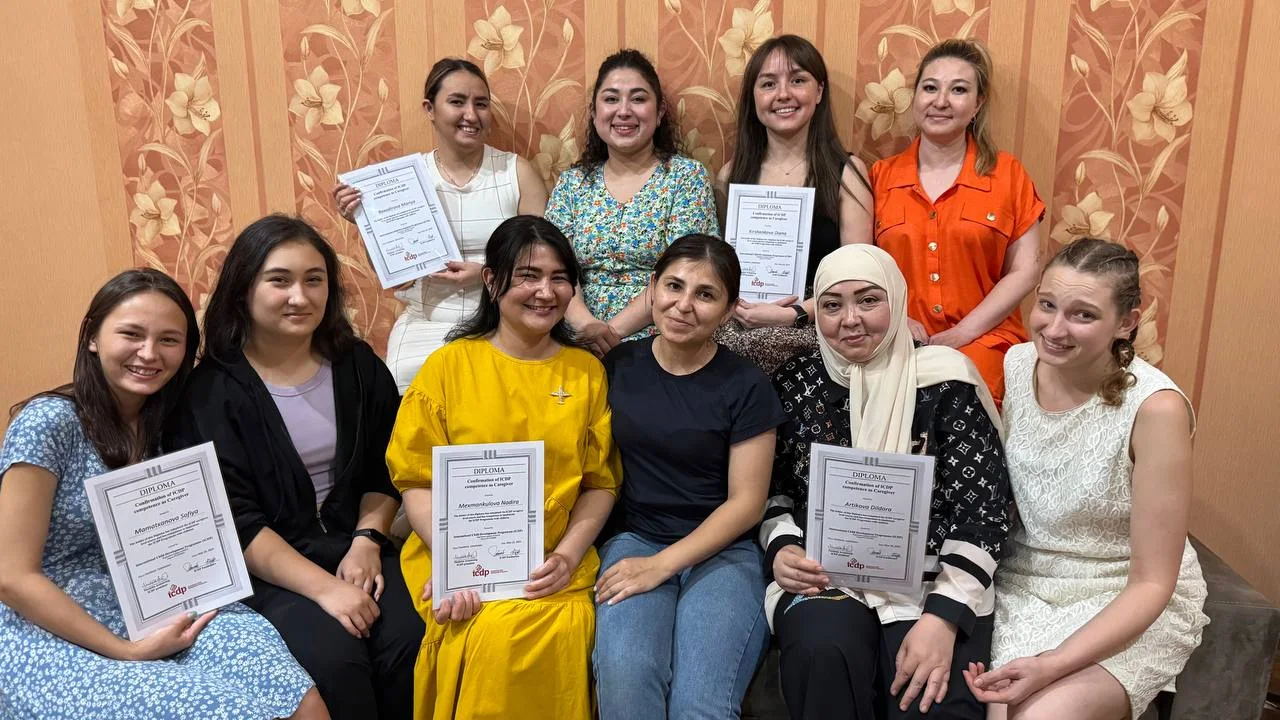
Participants at the 2024 ICDP facilitator gathering in Uzbekistan
More about the ICDP approach

How children develop, learn, believe in themselves and relate to others depends greatly on their relationships with the adults around them. The programme is therefore useful wherever human connection matters: families, kindergartens, schools, hospitals, hospices and care homes. Its principles are equally helpful when communicating with a young child, a schoolchild, a teenager or an older person.

Participants do not simply listen to lectures. They reflect on everyday interactions, notice strengths, try new approaches between meetings and discuss the results as a group. This helps adults feel more confident in their role and those they care for feel understood and valued.

ICDP around the world

In Norway, ICDP is a government programme coordinated by the Directorate for Children, Youth and Family Affairs. In El Salvador, the programme has spread nationwide. Major projects have also taken place in Sweden, Denmark, Brazil, Guatemala, Colombia, Angola, Mozambique, Macedonia and Ukraine.

  • 71

    countries where ICDP has worked throughout its history

  • 1992

    year the ICDP foundation was registered

  • 50

    countries with ICDP activity in 2023

  • 250 000

    families reached by an ICDP project in Colombia with support from UNICEF and local authorities

According to icdp.info. These figures refer to the international ICDP programme, not to Happy Start.

In Uzbekistan, ICDP Uzbekistan represents the programme through the Happy Start centre in Tashkent.

The ICDP Uzbekistan team

ICDP Uzbekistan facilitators

ICDP facilitators who run courses for parents, educators and professionals.

5 facilitators
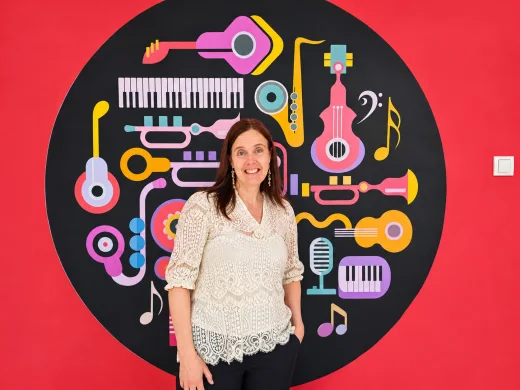
Magdalena Brannstrom

Magdalena Brannstrom

ICDP trainer and facilitator

Special educator

Magdalena Brannstrom

ICDP trainer and facilitator

Magdalena Brannstrom

Special educator

Magdalena has extensive experience in education, child development, teacher training, and family support. She works with parents, educators, and professionals.

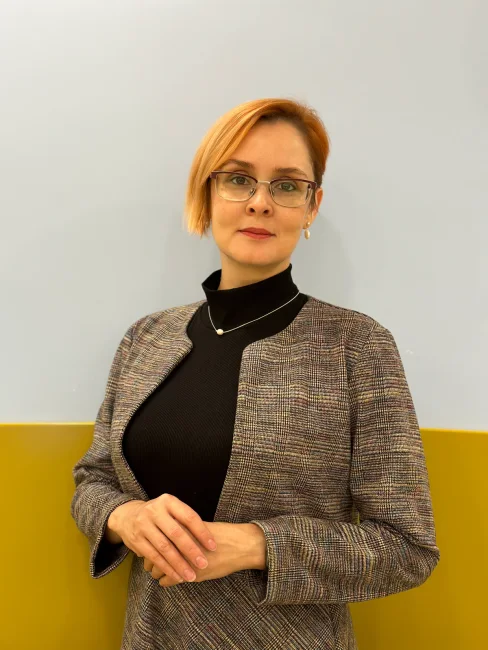
Shaxlo Islomova

Shaxlo Islomova

ICDP facilitator

Child and family psychologist, art therapist

Shaxlo Islomova

ICDP facilitator

Shaxlo Islomova

Child and family psychologist, art therapist

Tyo Vladimir

Tyo Vladimir

ICDP facilitator

Team-building trainer and consultant

Tyo Vladimir

ICDP facilitator

Tyo Vladimir

Team-building trainer and consultant

Jadra Tyo

Jadra Tyo

ICDP facilitator

Jadra Tyo

ICDP facilitator

Jadra Tyo

Mother of two children.

Olga Shklyarova

Olga Shklyarova

ICDP facilitator

Olga Shklyarova

ICDP facilitator

Olga Shklyarova

Practical outcomes

Three dialogues and eight ICDP principles

ICDP is built on eight principles that help adults understand children better, support their development and build warm relationships.

Helps children feel loved, noticed and supported.

Dialogue principles

  • 1

    Show warm feelings

    Smile, show care and let your child know you are happy to be with them.

  • 2

    Support your child's initiative

    Notice what interests your child and join in their activities.

  • 3

    Communicate with attention

    Listen to your child, talk with them and show a sincere interest in their feelings.

  • 4

    Praise and acknowledge

    Notice your child's efforts and progress. Show that you value their achievements.

Documents

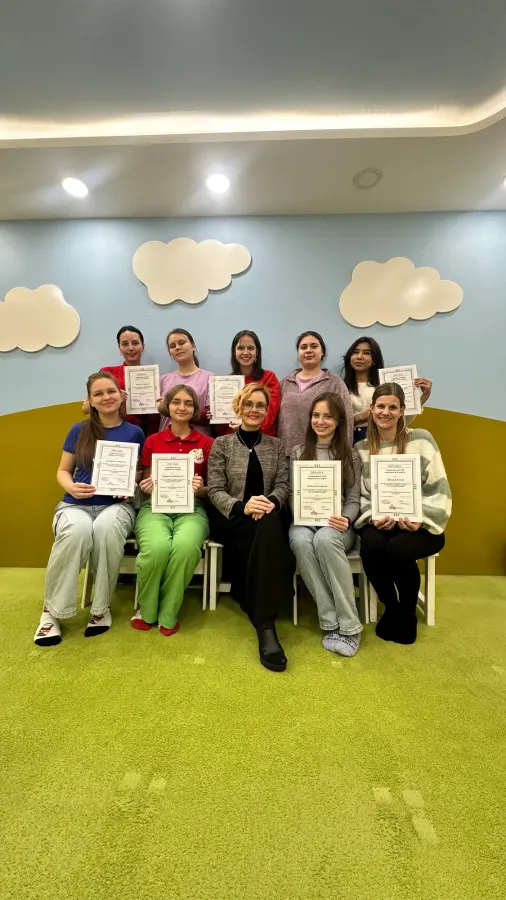
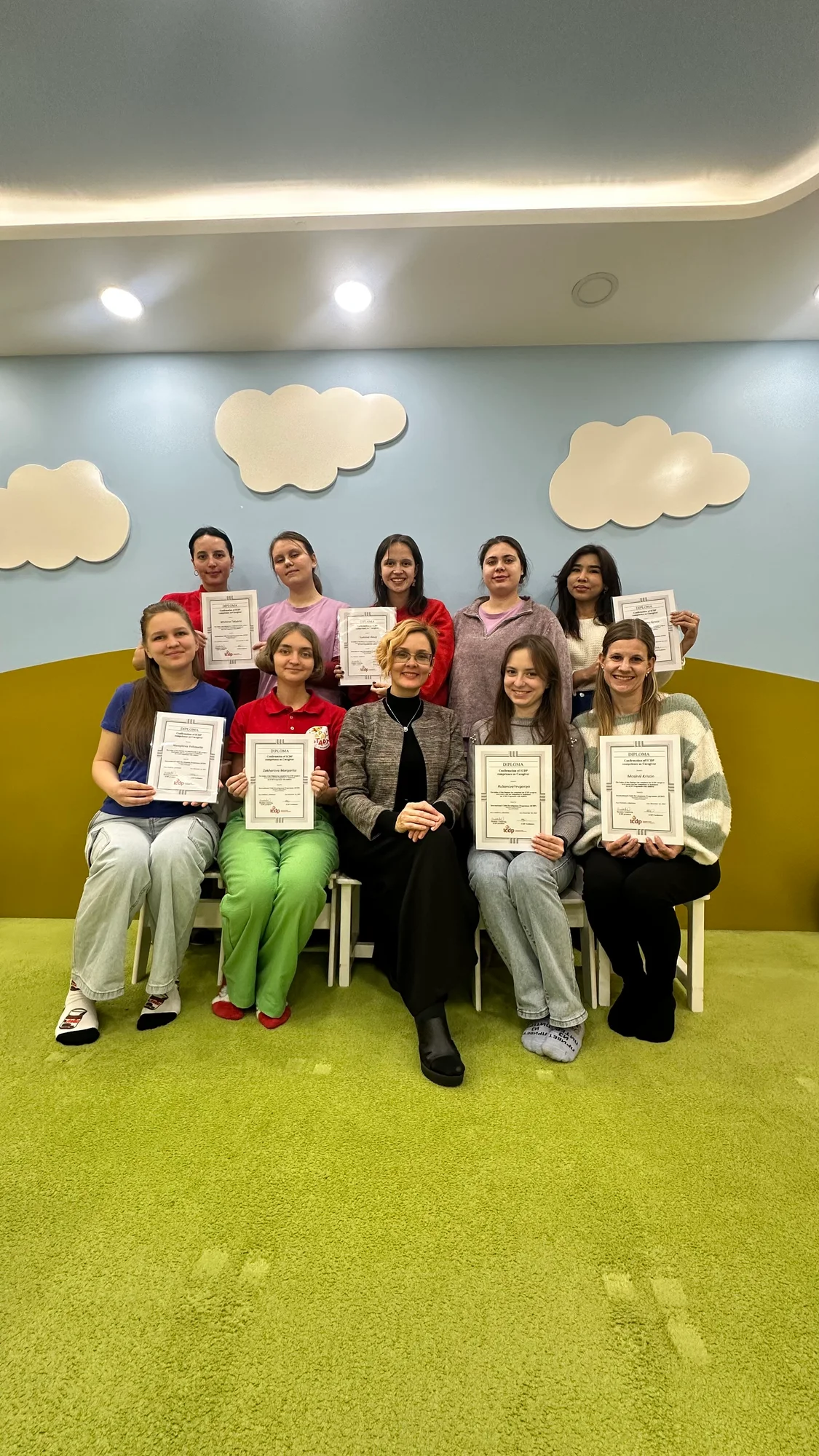
Completion document

After training, participants receive a document corresponding to their chosen programme.

Level 1

Caregiver Course

ICDP competence as Caregiver

Participants who successfully complete the course for parents and professionals receive an ICDP document.

Level 2

Facilitator Training

ICDP competence as Facilitator

The ICDP facilitator diploma is awarded to those who complete the programme and all assignments.

Frequently asked questions

Is the programme suitable if I do not work with young children?

About ICDP

Yes. ICDP principles are based on how good human relationships work. That is why the programme is used by parents of young children, schoolteachers and staff in hospitals, hospices and care homes.

How does the parent course differ from facilitator training?

Courses and cohorts

On the parent course, you apply ICDP principles in your own life and work. In facilitator training, you learn to deliver these courses for others.

Can a whole team take part?

Participation

Yes. We offer the course for staff at schools, kindergartens, clinics and NGOs. Enquire and mention that it is for an organisation.

Contact us

Still have questions? Give us a call

Ask us about upcoming courses, facilitator training and partnerships.

Ask about training details

Personal Data Processing Policy

Sign up for training

Sign up for the parent and professional course

Sign up for facilitator training

Discuss training for your team